



Political Turmoil: British Government Bonds Face Decline Amid Starmer’s Pressures
The financial landscape of the United Kingdom is currently witnessing a notable shift, particularly concerning government bonds. As tensions rise within the Labour Party, one key player in the political arena finds themselves scrutinized: Keir Starmer. The pressures on Starmer are particularly intensified by the re-emergence of Peter Mandelson, a seasoned political strategist known for his influence during New Labour’s heyday. This article explores the implications of these unfolding events on the British government’s bonds and the broader economic landscape.
Understanding Government Bonds and Their Importance
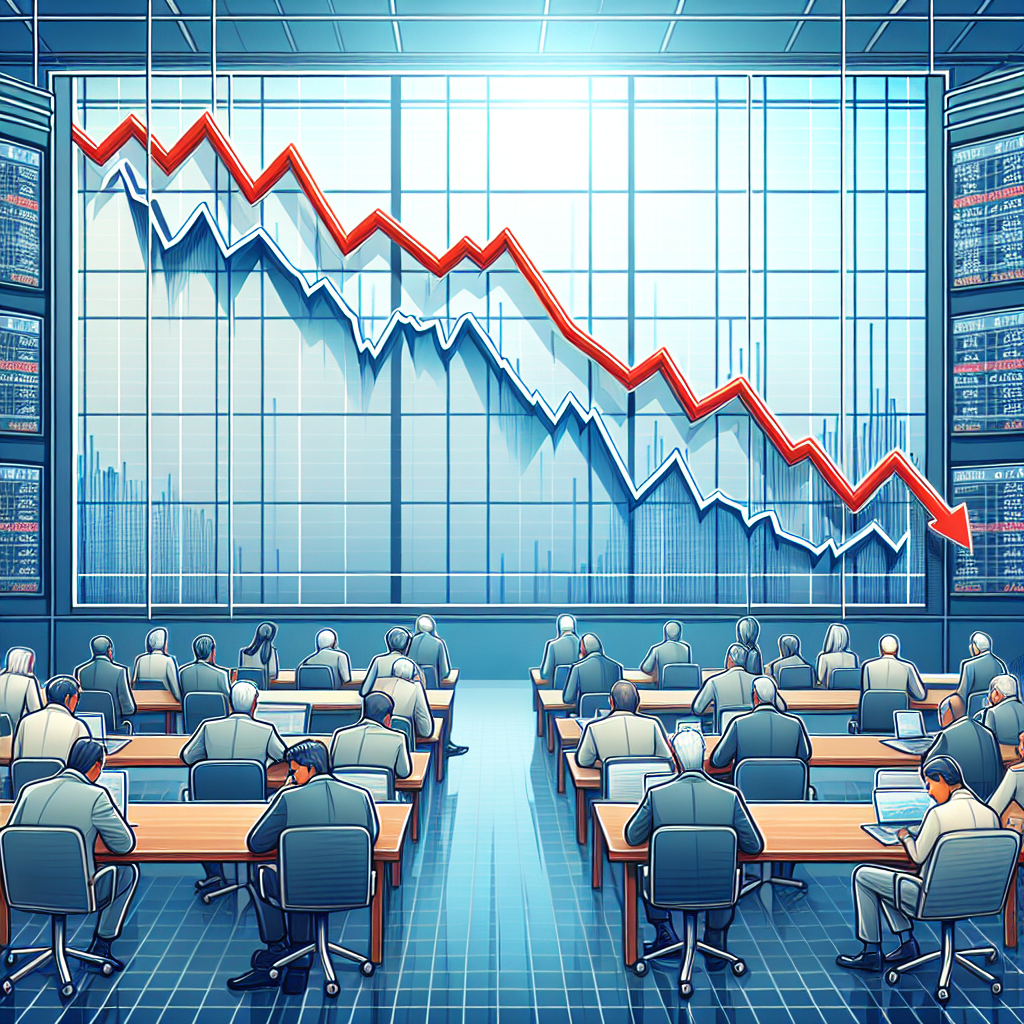
Government bonds, often referred to as gilts in the UK, are debt securities issued by the government to raise capital. Investors buy these bonds, effectively lending money to the government with the expectation of receiving regular interest payments and the return of principal upon maturity. The stability and trustworthiness of these bonds typically reflect the overall economic health and political stability of the issuing country.
In the context of the UK, the recent decline in government bond prices raises concerns regarding investor confidence. A downturn in prices could lead to a rise in borrowing costs for the government, exacerbating financial strains and potentially impacting public spending. Therefore, understanding the relationship between political dynamics and market reactions is more crucial than ever.
The Current Political Climate
The political situation in the UK is characterized by increasing scrutiny on Keir Starmer’s leadership amidst internal party pressures. Starmer, who assumed leadership of the Labour Party in April 2020, has faced challenges in uniting various factions within the party, especially as the general election looms closer.
Mandelson’s Role in the Equation
Peter Mandelson, a prominent figure in British politics and a close ally of former Prime Ministers Tony Blair and Gordon Brown, has re-entered the limelight, lending his experienced voice to political commentary and strategy. His nuanced understanding of party politics could significantly influence public perception and party unity. However, as he advocates for a more assertive stance, Starmer finds himself navigating a delicate balance between party cohesion and wider political sentiment.
The pressure emanating from this situation not only affects Starmer’s leadership but also casts a shadow over investor sentiment regarding government bonds. Market participants often look to political stability as a key indicator of economic reliability. The uncertainties surrounding Starmer’s approach, particularly with Mandelson’s resurgence, may lead to increased caution among investors.
Implications for Investors and the Economy
The downward trend in government bond prices can have far-reaching consequences. As speculation builds around Starmer’s ability to lead effectively, bond yields may rise, signaling that investors require higher returns to compensate for perceived risks.
Effects on Public Services and Infrastructure
Higher borrowing costs directly impact the government’s ability to fund essential services and infrastructure projects. If the Labour Party cannot present a unified front, the government may grapple with securing investments that are critical to boosting the nation’s economic performance.
Moreover, an unstable political climate could deter foreign investments, as overseas investors typically seek assurance of economic stability before committing to long-term financial engagements. The intersection of political dynamics and investor confidence creates a precarious situation that requires immediate attention from party leadership.
Navigating Uncertainty
To mitigate the uncertainties surrounding British government bonds, several strategies can be employed:
-
Strengthening Leadership Unity: Starmer can work on bridging the divides within the Labour Party, ensuring he garners broader support for policy initiatives that resonate with both party members and the electorate.
-
Clear Economic Messaging: Demonstrating a coherent economic strategy can enhance investor confidence. Providing clarity on fiscal policies and intentions can create a more favorable environment for bond investors.
-
Engaging Economists and Political Analysts: By collaborating with experts, the Labour Party can craft informed policies that address pressing economic concerns while simultaneously addressing factionalism within the party.
Conclusion
The current decline of British government bonds amid political pressures on Keir Starmer is a multifaceted issue that intertwines economics and party dynamics. With figures like Peter Mandelson influencing the dialogue, Starmer must navigate internal challenges while providing a clear path forward for the Labour Party. The implications of these events extend beyond simple party politics, demonstrating how political stability is intricately linked to economic health and investor confidence. As the UK braces for potential electoral shifts, the focus remains on promoting unity within the party to secure a prosperous future for the nation.